
 https://www.tdp-arch.com/wp-content/uploads/2024/05/Architect-working-on-interior-design-plans.jpg
1250
2000
Abstrakt Marketing
https://www.tdp-arch.com/wp-content/uploads/2024/09/Torgerson-Design-Partners-Logo.png
Abstrakt Marketing2025-11-17 09:08:162025-12-22 10:46:22Commercial Interior Design Dos and Don’ts
https://www.tdp-arch.com/wp-content/uploads/2024/05/Architect-working-on-interior-design-plans.jpg
1250
2000
Abstrakt Marketing
https://www.tdp-arch.com/wp-content/uploads/2024/09/Torgerson-Design-Partners-Logo.png
Abstrakt Marketing2025-11-17 09:08:162025-12-22 10:46:22Commercial Interior Design Dos and Don’tsOffice Interior Design: How to Make Your Space an Extension of Your Brand Identity
An organization’s office is more than a place to work. It’s a tangible expression of its culture, mission, and professionalism. In this blog, we’ll explore how intentional office interior design helps companies reinforce brand identity, engage employees, and make lasting impressions on clients and visitors.
Why Brand-Aligned Workspaces Matter
The physical environment is one of the most immediate and powerful ways a company can communicate its identity. Through deliberate choices in layout, finishes, and furnishings, a workspace can affirm what a business stands for and why that matters to clients and employees alike.
Office Design as a Strategic Branding Tool
The first time a client, prospect, or partner steps into your office, they begin forming judgments about your credibility, quality, and values. Office interior design helps control that narrative. From the color palette to furniture selection to overall layout, every design element sends a message. A modern, open-plan office might suggest transparency and innovation. A richly layered, minimalist space might convey sophistication and exclusivity. The goal is not just beauty but alignment between the look and feel of the space and the business goals it supports.
The Link Between Culture, Space, and Retention
Your office also plays a central role in shaping employee experience. A thoughtfully designed space can foster collaboration, minimize stress, and promote a stronger sense of belonging. When employees feel that their environment reflects their company’s culture and values, they’re more likely to take pride in their workplace. This improves not only satisfaction but also retention. Simply put, people want to work where they feel connected, and office design helps create that connection.
Translating Brand Identity Into Physical Space
Once you understand that design influences both perception and culture, the next step is knowing how to make that influence intentional. That starts with translating your brand identity into tangible design decisions.
Mission and Values as a Design Foundation
Start by identifying what your company stands for. Are you driven by innovation? Community? Precision? These values can shape everything from spatial layout to material choices. A company focused on innovation may want flexible, reconfigurable spaces to support ideation. A company that emphasizes client service may prioritize hospitality-style waiting areas and intuitive wayfinding. When values guide design, the result is a space that doesn’t just reflect your brand—it lives it.
Brand Colors, Typography, and Textures in Office Design
Commercial interior design makes it possible to integrate branding elements beyond the logo. Brand colors can appear in accent walls, upholstery, or flooring. Typography from marketing collateral can inform custom signage. Materials and textures can reinforce brand tone. For example, warm woods and textiles for an approachable brand or sleek metals and glass for a tech-forward company. These visual cues create consistency and familiarity that reinforce brand recognition.
Signage and Wayfinding That Reinforce Identity
Signage should be both directional and communicative. Branded wayfinding that includes your logo, typeface, or visual motifs helps visitors navigate your space while reinforcing identity. Lobby signage, wall graphics, and even door markers can become brand touchpoints that turn utility into storytelling. When designed with intention, they enhance the user experience and strengthen your visual narrative.
Layout and Functionality That Reflects Who You Are
Just as branding influences the visual identity of a space, it also informs how that space should function. Layout is a tool for expressing how your company operates and what it values in daily workflow.
Open vs. Private Spaces Based on Workstyle and Culture
Does your culture lean toward collaboration, heads-down focus, or a mix of both? Office interior design should reflect this through spatial planning. Open-plan offices encourage transparency and interaction but may need to be balanced with private booths or quiet zones. Conversely, a culture centered on discretion or client confidentiality may benefit from more enclosed offices and sound-controlled meeting areas. Function and culture must align for a layout to truly serve the brand.
Zoning for Client-Facing vs. Internal Spaces
Companies that welcome frequent visitors or conduct in-person meetings should carefully consider the transition between public and private areas. A well-designed entry sequence—reception, lobby, lounge, conference rooms—can create a welcoming first impression while also providing acoustic and visual separation from internal work zones. Zoning ensures that different types of users—clients, staff, vendors—experience the space in ways that support your professional goals.
Want your office to reflect your brand as clearly as your marketing does? Discover how Torgerson Design Partners helps companies turn identity into impactful environments.
Office Design as an Extension of Customer Experience
Great office design doesn’t just serve your team. It enhances how customers perceive and engage with your brand.
Designing for Visitors, Clients, and Partners
Reception areas, hospitality zones, and meeting rooms are key interaction points for clients and guests. These spaces should reflect the tone of your brand. A luxury firm might incorporate plush seating and curated art. A tech company might highlight digital displays and agile meeting setups. Regardless of the style, each element should feel intentional and cohesive with the overall identity.
Creating Immersive and Memorable Touchpoints
Design has the power to evoke emotion. Through lighting, materials, and curated objects, you can create memorable experiences that linger with visitors. Consider how artwork, scent, sound, and layout work together to craft a holistic environment. These sensory details aren’t just decorative—they’re experiential, helping to differentiate your brand and deepen client connection.
The Role of Commercial Interior Design Experts
Aligning your office environment with your brand is complex. It requires a strategic design partner who understands both your visual identity and your operational needs.
Bridging the Gap Between Brand Strategy and Built Environment
Designers with experience in commercial interior design and branding architecture bring more than technical skill—they bring interpretive insight. They can take abstract concepts like “approachability” or “innovation” and express them through materials, furnishings, and space planning. Their role is to bridge marketing, leadership, and real estate considerations to deliver a solution that performs on every level.
Branding Architecture That Evolves With You
A strong office design isn’t static. It anticipates growth, adaptation, and evolution. Smart designers build in flexibility—modular furniture, adaptable work zones, tech-forward infrastructure—so your space can evolve as your business does. This future-ready approach ensures your office continues to reflect your brand over time, not just on opening day.
A Lasting Impression Starts With Purposeful Design
Your workspace says more about your company than any pitch deck or website ever could. It shapes how clients view your brand, how employees engage with their work, and how your culture is lived out each day. At Torgerson Design Partners, we help companies transform their offices into living brand environments: spaces that look great, work hard, and grow with you. If you’re ready to make your brand tangible through design, we’re ready to help.
https://www.tdp-arch.com/wp-content/uploads/2024/05/Architect-working-on-interior-design-plans.jpg
1250
2000
Abstrakt Marketing
https://www.tdp-arch.com/wp-content/uploads/2024/09/Torgerson-Design-Partners-Logo.png
Abstrakt Marketing2025-11-17 09:08:162025-12-22 10:46:22Commercial Interior Design Dos and Don’ts https://www.tdp-arch.com/wp-content/uploads/2025/03/Missouri-ST-Student-Center.jpg
1250
2000
Abstrakt Marketing
https://www.tdp-arch.com/wp-content/uploads/2024/09/Torgerson-Design-Partners-Logo.png
Abstrakt Marketing2025-03-28 08:19:042025-12-22 10:46:24The Role of Interior Design for Commercial Renovations
https://www.tdp-arch.com/wp-content/uploads/2025/03/Missouri-ST-Student-Center.jpg
1250
2000
Abstrakt Marketing
https://www.tdp-arch.com/wp-content/uploads/2024/09/Torgerson-Design-Partners-Logo.png
Abstrakt Marketing2025-03-28 08:19:042025-12-22 10:46:24The Role of Interior Design for Commercial Renovations https://www.tdp-arch.com/wp-content/uploads/2024/07/Springfield-Family-Vision-2.jpg
1250
2000
Abstrakt Marketing
https://www.tdp-arch.com/wp-content/uploads/2024/09/Torgerson-Design-Partners-Logo.png
Abstrakt Marketing2024-10-28 14:01:182025-12-22 10:46:25Commercial Building Design Ideas for a Modern Look and Feel
https://www.tdp-arch.com/wp-content/uploads/2024/07/Springfield-Family-Vision-2.jpg
1250
2000
Abstrakt Marketing
https://www.tdp-arch.com/wp-content/uploads/2024/09/Torgerson-Design-Partners-Logo.png
Abstrakt Marketing2024-10-28 14:01:182025-12-22 10:46:25Commercial Building Design Ideas for a Modern Look and Feel https://www.tdp-arch.com/wp-content/uploads/2023/11/MIZZOU-MARKET-2.jpg
1250
2000
Abstrakt Marketing
https://www.tdp-arch.com/wp-content/uploads/2024/09/Torgerson-Design-Partners-Logo.png
Abstrakt Marketing2024-10-28 11:57:232025-12-22 10:46:25Fostering Learning and Creativity Through Effective School Interior Design
https://www.tdp-arch.com/wp-content/uploads/2023/11/MIZZOU-MARKET-2.jpg
1250
2000
Abstrakt Marketing
https://www.tdp-arch.com/wp-content/uploads/2024/09/Torgerson-Design-Partners-Logo.png
Abstrakt Marketing2024-10-28 11:57:232025-12-22 10:46:25Fostering Learning and Creativity Through Effective School Interior Design https://www.tdp-arch.com/wp-content/uploads/2024/09/Final_2-Photo-scaled.jpg
1440
2560
Abstrakt Marketing
https://www.tdp-arch.com/wp-content/uploads/2024/09/Torgerson-Design-Partners-Logo.png
Abstrakt Marketing2024-10-25 07:49:552025-12-22 10:46:25Designing the Perfect Event Venue
https://www.tdp-arch.com/wp-content/uploads/2024/09/Final_2-Photo-scaled.jpg
1440
2560
Abstrakt Marketing
https://www.tdp-arch.com/wp-content/uploads/2024/09/Torgerson-Design-Partners-Logo.png
Abstrakt Marketing2024-10-25 07:49:552025-12-22 10:46:25Designing the Perfect Event Venue https://www.tdp-arch.com/wp-content/uploads/2024/06/Side-view-of-many-modern-office-building-skyscrapers.jpg
1250
2000
Abstrakt Marketing
https://www.tdp-arch.com/wp-content/uploads/2024/09/Torgerson-Design-Partners-Logo.png
Abstrakt Marketing2024-10-09 07:55:522025-12-22 10:46:25Navigating Regulations in Government Architecture and Interior Design
https://www.tdp-arch.com/wp-content/uploads/2024/06/Side-view-of-many-modern-office-building-skyscrapers.jpg
1250
2000
Abstrakt Marketing
https://www.tdp-arch.com/wp-content/uploads/2024/09/Torgerson-Design-Partners-Logo.png
Abstrakt Marketing2024-10-09 07:55:522025-12-22 10:46:25Navigating Regulations in Government Architecture and Interior Design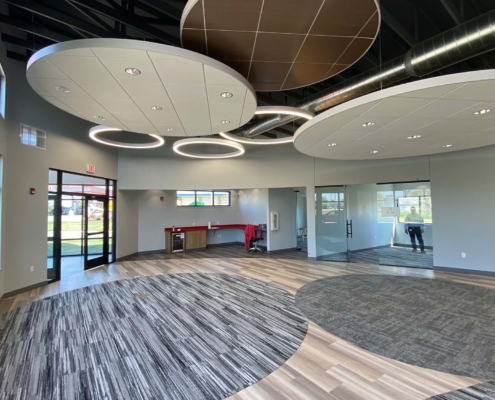 https://www.tdp-arch.com/wp-content/uploads/2024/07/Mutual-Savings-Lansing-54.jpg
1250
2000
Abstrakt Marketing
https://www.tdp-arch.com/wp-content/uploads/2024/09/Torgerson-Design-Partners-Logo.png
Abstrakt Marketing2024-10-09 07:34:152025-12-22 10:46:2510 Considerations for Improving Productivity Through Office Space Interior Design
https://www.tdp-arch.com/wp-content/uploads/2024/07/Mutual-Savings-Lansing-54.jpg
1250
2000
Abstrakt Marketing
https://www.tdp-arch.com/wp-content/uploads/2024/09/Torgerson-Design-Partners-Logo.png
Abstrakt Marketing2024-10-09 07:34:152025-12-22 10:46:2510 Considerations for Improving Productivity Through Office Space Interior Design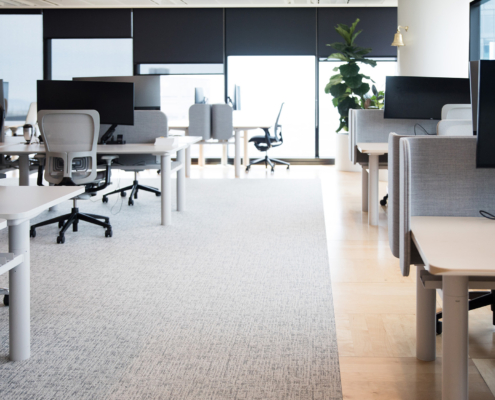 https://www.tdp-arch.com/wp-content/uploads/2024/08/Coroprate-office-space-lit-with-natural-sunlight.jpg
1250
2000
Abstrakt Marketing
https://www.tdp-arch.com/wp-content/uploads/2024/09/Torgerson-Design-Partners-Logo.png
Abstrakt Marketing2024-08-22 15:01:012025-12-22 10:46:25Acoustic Control: Managing Sound in Commercial Spaces Through Architecture and Design
https://www.tdp-arch.com/wp-content/uploads/2024/08/Coroprate-office-space-lit-with-natural-sunlight.jpg
1250
2000
Abstrakt Marketing
https://www.tdp-arch.com/wp-content/uploads/2024/09/Torgerson-Design-Partners-Logo.png
Abstrakt Marketing2024-08-22 15:01:012025-12-22 10:46:25Acoustic Control: Managing Sound in Commercial Spaces Through Architecture and Design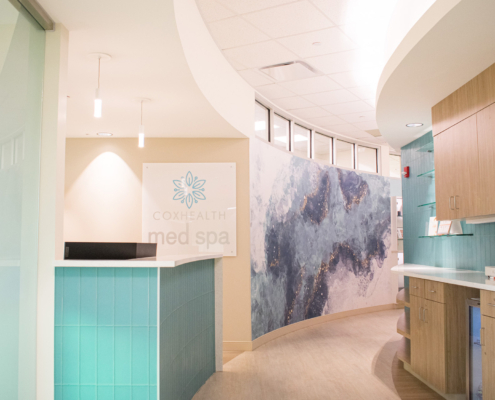 https://www.tdp-arch.com/wp-content/uploads/2023/11/CoxHealth-Med-Spa-0145-4.jpg
1250
2000
Abstrakt Marketing
https://www.tdp-arch.com/wp-content/uploads/2024/09/Torgerson-Design-Partners-Logo.png
Abstrakt Marketing2024-07-22 08:01:402025-12-22 10:46:25Enhancing Patient Comfort and Care Through Healthcare Interior Design
https://www.tdp-arch.com/wp-content/uploads/2023/11/CoxHealth-Med-Spa-0145-4.jpg
1250
2000
Abstrakt Marketing
https://www.tdp-arch.com/wp-content/uploads/2024/09/Torgerson-Design-Partners-Logo.png
Abstrakt Marketing2024-07-22 08:01:402025-12-22 10:46:25Enhancing Patient Comfort and Care Through Healthcare Interior Design