
 https://www.tdp-arch.com/wp-content/uploads/2024/10/10-Considerations-for-Improving-Productivity-Through-Office-Space-Interior-Design.jpg
1250
2000
Abstrakt Marketing
https://www.tdp-arch.com/wp-content/uploads/2024/09/Torgerson-Design-Partners-Logo.png
Abstrakt Marketing2025-12-22 14:30:482025-12-22 14:32:10How Technology in Architecture Is Transforming the Modern Office
https://www.tdp-arch.com/wp-content/uploads/2024/10/10-Considerations-for-Improving-Productivity-Through-Office-Space-Interior-Design.jpg
1250
2000
Abstrakt Marketing
https://www.tdp-arch.com/wp-content/uploads/2024/09/Torgerson-Design-Partners-Logo.png
Abstrakt Marketing2025-12-22 14:30:482025-12-22 14:32:10How Technology in Architecture Is Transforming the Modern OfficeCorporate Architecture Meets Wellness: Design Strategies That Put People First
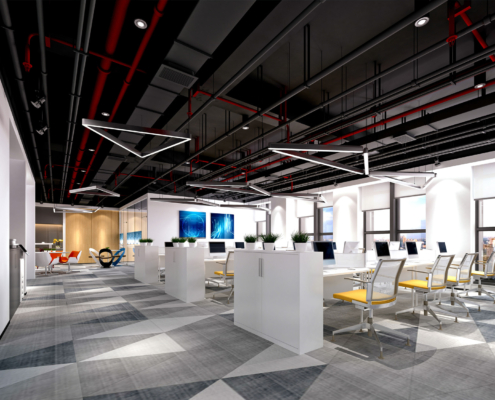
Corporate architecture now plays a crucial role in how companies support employee well-being, productivity, and retention. Thoughtful corporate office design goes beyond aesthetics, shaping environments that help people perform at their best while feeling engaged, valued, and healthy.
Why Wellness Has Become a Priority in Corporate Office Design
The modern office has changed dramatically, and so have employee expectations. Today’s professionals seek work environments that support focus, creativity, and balance. Studies show that workplace wellness initiatives can reduce absenteeism, increase job satisfaction, and boost overall productivity.
Corporate architecture that integrates wellness isn’t just a feel-good gesture. Organizations that invest in people-first office environments often see measurable improvements in retention and engagement. Healthy workspaces communicate trust and care, which can strengthen loyalty and reduce turnover costs.
For decision-makers, this means wellness is no longer separate from strategy. It’s a defining factor in how corporate spaces function, attract talent, and maintain long-term success.
Architectural Principles That Support Employee Wellbeing
Effective corporate architecture is grounded in the relationship between people and their surroundings. Thoughtful planning of light, air, acoustics, and space organization directly influences comfort, focus, and mood.
Natural Light and Views
Daylight is one of the most critical factors in workplace wellness. Exposure to natural light improves sleep cycles, alertness, and mood, all of which affect productivity. Designing for light means maximizing window placement, using transparent materials, and minimizing glare through smart shading systems.
Airflow and Indoor Air Quality
Good ventilation and filtration can reduce fatigue and headaches while boosting cognitive performance. Integrating clean air strategies, like operable windows or advanced HVAC systems, creates an environment that feels fresher and more energizing.
Acoustics and Noise Control
Sound is often overlooked, yet it’s one of the biggest wellness challenges in open offices. Proper acoustic planning—using materials that absorb sound or integrating sound masking—minimizes distractions and supports mental clarity. A quieter space helps employees stay engaged without burnout.
Spatial Layout and Movement
Corporate office design that encourages natural movement throughout the day promotes both physical and mental well-being. Thoughtfully designed stairways, walking routes, and open collaboration zones can increase circulation and provide spontaneous interaction opportunities without forcing constant motion.
Trends in Wellness-Centered Corporate Architecture
As companies adapt to hybrid work and changing employee needs, corporate architecture has evolved toward designs that reflect balance, flexibility, and wellness.
Biophilic Design
Incorporating natural materials, greenery, and organic shapes has been shown to reduce stress and enhance cognitive function. Plants, water features, and textures inspired by nature connect employees to their environment, even within high-tech office settings.
Dedicated Wellness Spaces
Meditation rooms, quiet zones, and restorative lounges allow employees to reset during the day. These areas encourage mindfulness and reduce mental fatigue. They also demonstrate a company’s commitment to supporting both focus and recovery.
Active Furniture and Ergonomics
Standing desks, adjustable seating, and flexible workstations help employees move throughout the day. Ergonomic design supports posture and reduces long-term physical strain, contributing to overall job satisfaction and comfort.
Technology and Adaptability
Smart systems that monitor air quality, adjust lighting levels, or track space utilization enable organizations to continually fine-tune environments for health and performance.
Human-Centered Design in Action
Designing for wellness requires a people-first approach. The most successful offices are shaped by collaboration between architects, workplace strategists, and employees themselves.
A human-centered space considers the psychological and social dimensions of work. For example, flexible seating arrangements support different workstyles, while intentional pathways encourage movement without disruption. Sensory design also plays a role: using color to influence focus, incorporating natural scents to reduce stress, and managing acoustics for inclusivity.
Want to uplift your workplace with thoughtful, wellness-centered design? Explore how Torgerson Design Partners creates corporate architecture solutions that help teams feel supported and perform at their best.
Collaboration Between HR, Facilities, and Architecture
Wellness-focused office design is most effective when it’s shared across departments. HR teams understand employee needs and engagement data. Facilities managers bring insights on space utilization and operations. Architects connect these insights with design solutions that translate strategy into space.
When HR, facilities, and design teams collaborate early, companies can create a cohesive plan that supports well-being without overspending. Employee surveys and workshops help pinpoint what matters most, from flexible seating to quiet rooms or improved air systems. This collaboration ensures every square foot of the office contributes to wellness, efficiency, and cultural alignment.
Sustainability and Wellness: A Unified Design Approach
Sustainability and wellness often go hand in hand. Sustainable building materials, natural ventilation, and efficient lighting systems all promote environmental health while improving individual well-being.
For instance, low-VOC paints and finishes improve indoor air quality. Green roofs and daylight optimization reduce energy costs while fostering a more pleasant atmosphere. These strategies demonstrate corporate responsibility while creating healthier spaces for employees, a win-win for people and planet alike.
Wellness Details That Often Get Missed in Corporate Architecture
Even with growing awareness around workplace wellness, some design elements still receive too little attention.
Acoustics and Sound Masking
Post-pandemic offices often blend open collaboration with hybrid technology, creating new sound challenges. Without proper acoustic design, overlapping conversations or video calls can quickly cause fatigue.
Neurodiversity in Design
Corporate architecture that considers neurodiverse needs, such as quiet zones, predictable layouts, and sensory control, supports a more inclusive workforce. Designing for different cognitive preferences allows every employee to perform at their best.
Scent and Air Quality
Scent is tied to mood and focus, yet rarely considered in office planning. Clean air, subtle natural scents, and proper ventilation can elevate the workspace experience.
Behavioral Flow and Spatial Psychology
How people move and interact affects how they think and feel. Architectural layouts should encourage collaboration without chaos, promoting calm circulation and intuitive navigation.
Employee Input as a Strategic Tool
Involving staff in the design process not only ensures functional outcomes but also builds a sense of ownership. When employees contribute ideas, adoption and satisfaction increase dramatically.
The ROI of Wellness-Driven Corporate Architecture
For many leaders, the question isn’t whether wellness matters—it’s how to measure it. The return on investment for wellness-centered design can be tracked through several lenses:
- Employee Retention: Companies with wellness-focused spaces report higher retention and reduced turnover costs.
- Productivity and Engagement: Healthier environments correlate with higher output and fewer distractions.
- Reduced Absenteeism: Better air quality, ergonomics, and access to light contribute to fewer sick days.
- Talent Attraction: A well-designed, wellness-forward office helps employers stand out in competitive industries.
Wellness and ROI are deeply connected. By designing spaces that prioritize comfort, connection, and creativity, businesses create long-term value that extends far beyond construction costs.
Support Wellness and Performance With Corporate Architecture from TDP
Wellness-centered corporate architecture is reshaping how organizations think about productivity, culture, and long-term success. When offices support focus, comfort, and connection, people feel valued and perform at a higher level. Torgerson Design Partners brings this vision to life through an approach grounded in human experience. With integrated architecture, interior design, and project management, TDP weaves wellness principles into every stage of a project and uses intuitive 3D visualization tools to help clients see how each choice strengthens both the workplace and the people within it.
If your organization is ready to build a space where employees feel inspired and supported, TDP can guide you toward a corporate office design that elevates wellness and drives meaningful results.
https://www.tdp-arch.com/wp-content/uploads/2024/10/10-Considerations-for-Improving-Productivity-Through-Office-Space-Interior-Design.jpg
1250
2000
Abstrakt Marketing
https://www.tdp-arch.com/wp-content/uploads/2024/09/Torgerson-Design-Partners-Logo.png
Abstrakt Marketing2025-12-22 14:30:482025-12-22 14:32:10How Technology in Architecture Is Transforming the Modern Office https://www.tdp-arch.com/wp-content/uploads/2024/07/Mutual-Savings-Lansing-35.jpg
1250
2000
Abstrakt Marketing
https://www.tdp-arch.com/wp-content/uploads/2024/09/Torgerson-Design-Partners-Logo.png
Abstrakt Marketing2025-12-22 14:26:002025-12-22 14:26:30Designing for Growth: The Role of Flexible Office Design in a Dynamic Workplace
https://www.tdp-arch.com/wp-content/uploads/2024/07/Mutual-Savings-Lansing-35.jpg
1250
2000
Abstrakt Marketing
https://www.tdp-arch.com/wp-content/uploads/2024/09/Torgerson-Design-Partners-Logo.png
Abstrakt Marketing2025-12-22 14:26:002025-12-22 14:26:30Designing for Growth: The Role of Flexible Office Design in a Dynamic Workplace https://www.tdp-arch.com/wp-content/uploads/2024/07/Farmers-Bank-2.jpg
1250
2000
Abstrakt Marketing
https://www.tdp-arch.com/wp-content/uploads/2024/09/Torgerson-Design-Partners-Logo.png
Abstrakt Marketing2025-11-12 07:35:462025-12-22 10:46:23The ROI of Office Redesign: How Architecture Impacts Business Performance
https://www.tdp-arch.com/wp-content/uploads/2024/07/Farmers-Bank-2.jpg
1250
2000
Abstrakt Marketing
https://www.tdp-arch.com/wp-content/uploads/2024/09/Torgerson-Design-Partners-Logo.png
Abstrakt Marketing2025-11-12 07:35:462025-12-22 10:46:23The ROI of Office Redesign: How Architecture Impacts Business Performance https://www.tdp-arch.com/wp-content/uploads/2024/07/Mutual-Savings-Lansing-64.jpg
1250
2000
Abstrakt Marketing
https://www.tdp-arch.com/wp-content/uploads/2024/09/Torgerson-Design-Partners-Logo.png
Abstrakt Marketing2025-11-12 07:22:492025-12-22 14:27:20Hybrid Office Design Trends: How to Create a Workplace Employees Want to Return To
https://www.tdp-arch.com/wp-content/uploads/2024/07/Mutual-Savings-Lansing-64.jpg
1250
2000
Abstrakt Marketing
https://www.tdp-arch.com/wp-content/uploads/2024/09/Torgerson-Design-Partners-Logo.png
Abstrakt Marketing2025-11-12 07:22:492025-12-22 14:27:20Hybrid Office Design Trends: How to Create a Workplace Employees Want to Return To https://www.tdp-arch.com/wp-content/uploads/2024/07/Mutual-Savings-Lansing-8.jpg
1250
2000
Abstrakt Marketing
https://www.tdp-arch.com/wp-content/uploads/2024/09/Torgerson-Design-Partners-Logo.png
Abstrakt Marketing2025-11-11 15:51:452025-12-22 10:46:23Sustainable Office Design 101: Key Principles for Building a Greener Workplace
https://www.tdp-arch.com/wp-content/uploads/2024/07/Mutual-Savings-Lansing-8.jpg
1250
2000
Abstrakt Marketing
https://www.tdp-arch.com/wp-content/uploads/2024/09/Torgerson-Design-Partners-Logo.png
Abstrakt Marketing2025-11-11 15:51:452025-12-22 10:46:23Sustainable Office Design 101: Key Principles for Building a Greener Workplace https://www.tdp-arch.com/wp-content/uploads/2025/10/DSC_0151.jpg
1250
2000
Abstrakt Marketing
https://www.tdp-arch.com/wp-content/uploads/2024/09/Torgerson-Design-Partners-Logo.png
Abstrakt Marketing2025-10-02 09:02:502025-12-22 10:46:23Leveraging Your Brand Identity in Office Design and Architecture
https://www.tdp-arch.com/wp-content/uploads/2025/10/DSC_0151.jpg
1250
2000
Abstrakt Marketing
https://www.tdp-arch.com/wp-content/uploads/2024/09/Torgerson-Design-Partners-Logo.png
Abstrakt Marketing2025-10-02 09:02:502025-12-22 10:46:23Leveraging Your Brand Identity in Office Design and Architecture https://www.tdp-arch.com/wp-content/uploads/2025/10/contemporary-loft-office.jpg
1250
2000
Abstrakt Marketing
https://www.tdp-arch.com/wp-content/uploads/2024/09/Torgerson-Design-Partners-Logo.png
Abstrakt Marketing2025-10-02 09:02:482025-12-22 10:46:23How Smart Office Design Enhances Employee Productivity
https://www.tdp-arch.com/wp-content/uploads/2025/10/contemporary-loft-office.jpg
1250
2000
Abstrakt Marketing
https://www.tdp-arch.com/wp-content/uploads/2024/09/Torgerson-Design-Partners-Logo.png
Abstrakt Marketing2025-10-02 09:02:482025-12-22 10:46:23How Smart Office Design Enhances Employee Productivity https://www.tdp-arch.com/wp-content/uploads/2025/10/Air-Medical-Exterior-West-Plains.jpg
1250
2000
Abstrakt Marketing
https://www.tdp-arch.com/wp-content/uploads/2024/09/Torgerson-Design-Partners-Logo.png
Abstrakt Marketing2025-10-02 09:02:432025-12-22 10:46:23The Future of Office Architecture: Balancing Collaboration and Privacy
https://www.tdp-arch.com/wp-content/uploads/2025/10/Air-Medical-Exterior-West-Plains.jpg
1250
2000
Abstrakt Marketing
https://www.tdp-arch.com/wp-content/uploads/2024/09/Torgerson-Design-Partners-Logo.png
Abstrakt Marketing2025-10-02 09:02:432025-12-22 10:46:23The Future of Office Architecture: Balancing Collaboration and Privacy