
 https://www.tdp-arch.com/wp-content/uploads/2025/10/Air-Medical-Exterior-West-Plains.jpg
1250
2000
lassoupdev
https://www.tdp-arch.com/wp-content/uploads/2024/09/Torgerson-Design-Partners-Logo.png
lassoupdev2026-06-22 13:48:432026-06-22 13:53:27What Is Site Analysis in Architecture? Why It Matters Before You Design
https://www.tdp-arch.com/wp-content/uploads/2025/10/Air-Medical-Exterior-West-Plains.jpg
1250
2000
lassoupdev
https://www.tdp-arch.com/wp-content/uploads/2024/09/Torgerson-Design-Partners-Logo.png
lassoupdev2026-06-22 13:48:432026-06-22 13:53:27What Is Site Analysis in Architecture? Why It Matters Before You DesignHow Smart Multi-Family Housing Architecture Boosts Leasing and Retention
In today’s rental market, aesthetics alone are not enough. Developers and property managers must embrace multi-family housing architecture that prioritizes performance, efficiency, and tenant experience. In this blog, we’ll explore how smart design decisions can directly impact leasing velocity and long-term retention across modern apartment and condo communities.
Understanding the Financial Value of Good Architecture
When architecture does more than just look good—when it supports operational goals and tenant satisfaction—it becomes a true investment asset. Design becomes a driver for higher occupancy, better reviews, and lower turnover.
Architecture as a Leasing Accelerator
The leasing process begins before a potential resident ever steps foot inside. First impressions, like striking façades, welcoming entrances, and modern lobby experiences, are critical. Once inside, functional layouts and attractive model units help prospective renters imagine a life in the space. Architecture that maximizes usable square footage and daylight can increase perceived value, boosting lease conversions even in competitive markets.
Tenant Satisfaction as a Retention Strategy
Smart multi-family housing architecture doesn’t stop at attracting tenants—it keeps them. When design addresses common pain points like noise, lack of storage, and poor lighting, residents are less likely to churn. Design decisions that improve comfort, accessibility, and convenience create a sense of belonging that leads to renewals, not move-outs.
Designing for the Full Resident Lifecycle
Multi-family housing developments succeed when they serve a broad tenant base, not just one demographic. Smart design considers how needs evolve and adapts accordingly.
Attracting Diverse Demographics with Flexible Units
From Gen Z professionals to young families and downsizing boomers, today’s renters have varied needs. Open-concept kitchens appeal to social millennials, while private alcoves or flex rooms attract remote workers. Units designed for accessibility and universal design also accommodate aging residents or those with mobility challenges. Flexible layouts help developments stay relevant across shifting market trends.
Planning for Longevity, Not Just Initial Occupancy
While trend-forward finishes are tempting, materials and layouts must endure wear, tear, and turnover. Durable surfaces, low-maintenance flooring, and finishes that resist staining or fading make long-term maintenance easier. Timeless design palettes and adaptable unit plans minimize the need for future overhauls, reducing lifecycle costs for owners and minimizing disruption for residents.
Layouts That Prioritize Everyday Functionality
Residents notice when a home “just works.” They also notice when it doesn’t. The success of a multi-family housing project often lies in how well everyday life has been considered in the floor plan.
Smart Circulation and Zoning Within Units
Efficient movement through a home improves livability. Bedrooms located away from noisy entry points, bathrooms that don’t interrupt kitchen flow, and clear sightlines from front doors to living spaces all influence resident satisfaction. Functional zoning, such as separating quiet and active spaces, makes homes feel organized and calming.
Storage, Flow, and Noise Control
Storage is a common complaint in multi-family living. Smart architecture integrates built-ins, modular closets, and clever use of vertical space. Meanwhile, materials and layouts that mitigate sound transmission between units or floors reduce disturbances, directly improving tenant retention. Residents who sleep well and live well stay longer.
Want to design multi-family spaces that attract renters and keep them long term? Explore how Torgerson Design Partners creates high-performing communities through thoughtful architecture and design.
Amenity-Driven Architecture That Encourages Community
Beyond the unit, shared amenities have become essential to both lease-up strategies and resident retention. Well-designed amenity spaces offer lifestyle value and a sense of community.
High-Impact Shared Spaces for Socialization and Events
Lobbies, rooftop lounges, clubrooms, and outdoor kitchens are more than aesthetic features. They’re places where residents connect. Architecture that supports these zones with intuitive flow, natural light, and varied seating arrangements helps tenants feel at home. These are not just luxuries but rather lease-winning differentiators.
Built-In Wellness Amenities for a Health-Conscious Market
Modern renters prioritize wellness. Fitness centers with natural light, meditation spaces, bike storage, and yoga decks all contribute to a healthy lifestyle. Indoor-outdoor transitions, such as walk-out courtyards or balconies with planters, provide needed mental breaks. These features align with tenant values and improve the everyday living experience.
Sustainability as a Competitive Advantage
Sustainability is no longer a bonus for multi-family housing architecture. It’s an expectation. Smart architecture helps properties meet this demand while reducing operational costs.
Eco-Friendly Design That Resonates With Modern Renters
Tenants, especially younger renters, look for developments that align with environmental values. Energy-efficient windows, sustainable materials, green roofs, and water-saving plumbing fixtures signal responsibility. Properties that communicate these choices effectively during the leasing process attract eco-conscious residents.
Operational Benefits for Property Owners
Sustainable multi-family architecture is both good for PR and a smart business move. Energy-efficient buildings reduce utility costs and often qualify for rebates or tax incentives. Low-maintenance materials reduce repair frequency. Over time, these savings improve net operating income, increasing property value.
Technology Integration for a Seamless Living Experience
Modern renters expect digital convenience. Architecture that enables technology becomes a powerful tool in delivering a frictionless living experience.
Smart Home Features That Enhance Daily Life
From app-based thermostats and lighting to touchless entry and smart appliances, tech-driven features create daily convenience. These integrations improve the resident experience while adding to a property’s perceived value. Tenants feel more in control of their environment and more connected to the space.
Infrastructure Planning for Tech Evolution
Future-proofing begins at the drawing board. Designing with built-in conduits, EV charging infrastructure, and strong Wi-Fi coverage ensures the property keeps pace with evolving technology. Scalable systems mean fewer disruptive retrofits down the line, reducing downtime and protecting your investment.
Architecture That Supports Management Efficiency
The benefits of smart design aren’t limited to residents. Architecture that supports daily operations can save time, reduce staff strain, and lower long-term costs.
Designing for Maintenance and Staff Flow
Facilities staff need efficient routes between maintenance zones, trash collection areas, and building systems. Back-of-house circulation should allow access without disrupting tenant privacy or the aesthetic of shared spaces. Materials that are easy to clean and repair minimize service time and maximize durability.
Visibility and Security Built Into the Plan
Safety is a key concern for both tenants and operators. Strategic placement of lighting, access-controlled entries, and camera-ready sightlines enhances security while supporting a welcoming environment. When residents feel safe, they stay, and they tell others.
Partner With Experts in Multi-Family Housing Architecture
Smart multi-family housing architecture drives design and results. At Torgerson Design Partners, we help developers and owners align physical space with financial performance. Our collaborative, forward-thinking approach blends design creativity with real-world functionality, helping you attract tenants, reduce turnover, and future-proof your investment.
Let’s bring your next multi-family project to life with architecture that performs.
https://www.tdp-arch.com/wp-content/uploads/2025/10/Air-Medical-Exterior-West-Plains.jpg
1250
2000
lassoupdev
https://www.tdp-arch.com/wp-content/uploads/2024/09/Torgerson-Design-Partners-Logo.png
lassoupdev2026-06-22 13:48:432026-06-22 13:53:27What Is Site Analysis in Architecture? Why It Matters Before You Design https://www.tdp-arch.com/wp-content/uploads/2026/05/Captura-de-pantalla-2026-05-28-101934.png
697
1708
lassoupdev
https://www.tdp-arch.com/wp-content/uploads/2024/09/Torgerson-Design-Partners-Logo.png
lassoupdev2026-05-13 10:04:052026-05-28 10:23:39How to Plan a Church Building: A Step-by-Step Guide from Site Selection to Design
https://www.tdp-arch.com/wp-content/uploads/2026/05/Captura-de-pantalla-2026-05-28-101934.png
697
1708
lassoupdev
https://www.tdp-arch.com/wp-content/uploads/2024/09/Torgerson-Design-Partners-Logo.png
lassoupdev2026-05-13 10:04:052026-05-28 10:23:39How to Plan a Church Building: A Step-by-Step Guide from Site Selection to Design https://www.tdp-arch.com/wp-content/uploads/2026/02/Church-Architect.png
630
1200
lassoupdev
https://www.tdp-arch.com/wp-content/uploads/2024/09/Torgerson-Design-Partners-Logo.png
lassoupdev2026-02-20 14:02:332026-02-23 11:55:48Why Churches Need a Master Plan Before Expanding Their Facilities
https://www.tdp-arch.com/wp-content/uploads/2026/02/Church-Architect.png
630
1200
lassoupdev
https://www.tdp-arch.com/wp-content/uploads/2024/09/Torgerson-Design-Partners-Logo.png
lassoupdev2026-02-20 14:02:332026-02-23 11:55:48Why Churches Need a Master Plan Before Expanding Their Facilities https://www.tdp-arch.com/wp-content/uploads/2024/05/Architect-working-on-interior-design-plans.jpg
1250
2000
Abstrakt Marketing
https://www.tdp-arch.com/wp-content/uploads/2024/09/Torgerson-Design-Partners-Logo.png
Abstrakt Marketing2025-11-17 09:08:162025-12-22 10:46:22Commercial Interior Design Dos and Don’ts
https://www.tdp-arch.com/wp-content/uploads/2024/05/Architect-working-on-interior-design-plans.jpg
1250
2000
Abstrakt Marketing
https://www.tdp-arch.com/wp-content/uploads/2024/09/Torgerson-Design-Partners-Logo.png
Abstrakt Marketing2025-11-17 09:08:162025-12-22 10:46:22Commercial Interior Design Dos and Don’ts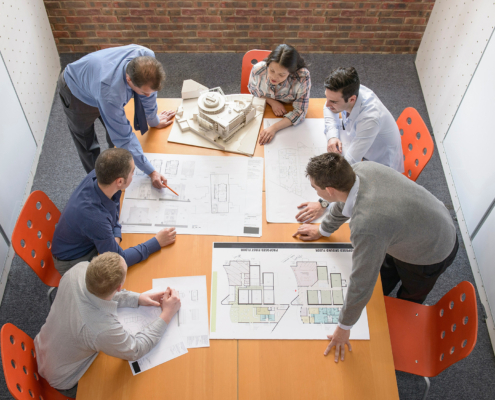 https://www.tdp-arch.com/wp-content/uploads/2025/09/The-Architects-Role-in-Streamlining-Your-Commercial-Construction.jpg
1250
2000
Abstrakt Marketing
https://www.tdp-arch.com/wp-content/uploads/2024/09/Torgerson-Design-Partners-Logo.png
Abstrakt Marketing2025-09-08 15:33:582025-12-22 10:46:23Why Your Commercial Architect Should Lead Projects From Day One
https://www.tdp-arch.com/wp-content/uploads/2025/09/The-Architects-Role-in-Streamlining-Your-Commercial-Construction.jpg
1250
2000
Abstrakt Marketing
https://www.tdp-arch.com/wp-content/uploads/2024/09/Torgerson-Design-Partners-Logo.png
Abstrakt Marketing2025-09-08 15:33:582025-12-22 10:46:23Why Your Commercial Architect Should Lead Projects From Day One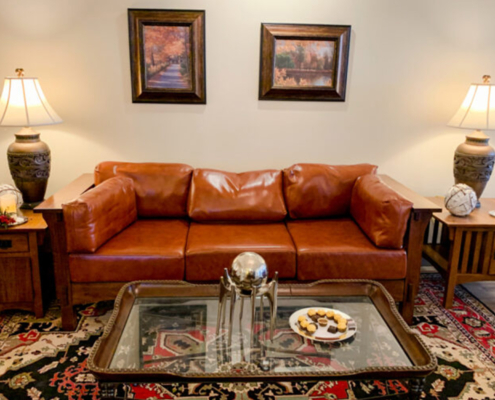 https://www.tdp-arch.com/wp-content/uploads/2023/10/IMG_5349-2.jpg
1250
2000
Abstrakt Marketing
https://www.tdp-arch.com/wp-content/uploads/2024/09/Torgerson-Design-Partners-Logo.png
Abstrakt Marketing2025-07-24 10:26:402025-12-22 10:46:23What Today’s Renters Want: Multi-Family Housing Design Trends for Modern Apartments and Condos
https://www.tdp-arch.com/wp-content/uploads/2023/10/IMG_5349-2.jpg
1250
2000
Abstrakt Marketing
https://www.tdp-arch.com/wp-content/uploads/2024/09/Torgerson-Design-Partners-Logo.png
Abstrakt Marketing2025-07-24 10:26:402025-12-22 10:46:23What Today’s Renters Want: Multi-Family Housing Design Trends for Modern Apartments and Condos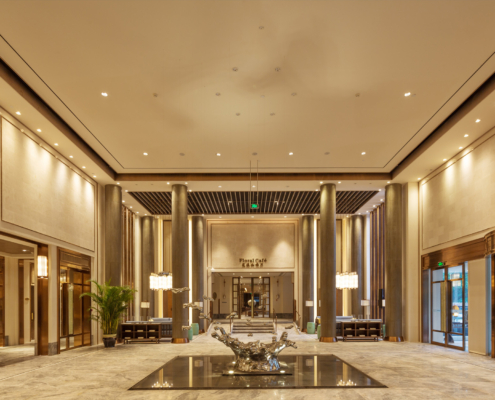 https://www.tdp-arch.com/wp-content/uploads/2025/06/Balancing-Luxury-and-Efficiency-in-Hotel-Design.jpg
1250
2000
Abstrakt Marketing
https://www.tdp-arch.com/wp-content/uploads/2024/09/Torgerson-Design-Partners-Logo.png
Abstrakt Marketing2025-06-25 08:55:452025-12-22 10:46:23Balancing Luxury and Efficiency in Hotel Design
https://www.tdp-arch.com/wp-content/uploads/2025/06/Balancing-Luxury-and-Efficiency-in-Hotel-Design.jpg
1250
2000
Abstrakt Marketing
https://www.tdp-arch.com/wp-content/uploads/2024/09/Torgerson-Design-Partners-Logo.png
Abstrakt Marketing2025-06-25 08:55:452025-12-22 10:46:23Balancing Luxury and Efficiency in Hotel Design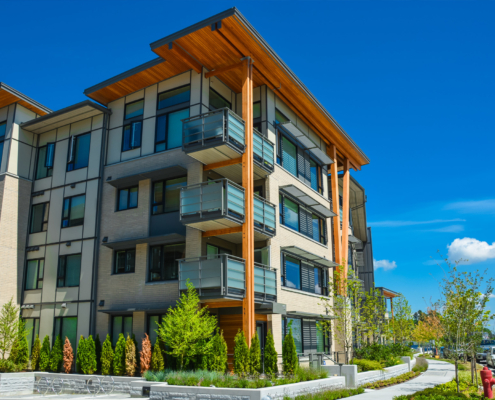 https://www.tdp-arch.com/wp-content/uploads/2025/06/Your-Guide-to-Multi-Family-Housing-Design-Ideas-Considerations-and-More.jpg
1250
2000
Abstrakt Marketing
https://www.tdp-arch.com/wp-content/uploads/2024/09/Torgerson-Design-Partners-Logo.png
Abstrakt Marketing2025-06-25 08:43:492025-12-22 10:46:24Your Guide to Multi-Family Housing Design: Ideas, Considerations, and More
https://www.tdp-arch.com/wp-content/uploads/2025/06/Your-Guide-to-Multi-Family-Housing-Design-Ideas-Considerations-and-More.jpg
1250
2000
Abstrakt Marketing
https://www.tdp-arch.com/wp-content/uploads/2024/09/Torgerson-Design-Partners-Logo.png
Abstrakt Marketing2025-06-25 08:43:492025-12-22 10:46:24Your Guide to Multi-Family Housing Design: Ideas, Considerations, and More https://www.tdp-arch.com/wp-content/uploads/2023/11/Fun-Mountain-at-Big-Cedar-Lodge-2968.jpg
1250
2000
Abstrakt Marketing
https://www.tdp-arch.com/wp-content/uploads/2024/09/Torgerson-Design-Partners-Logo.png
Abstrakt Marketing2025-05-27 12:52:552025-12-22 10:46:24Hotel Renovations Projects That Drive ROI
https://www.tdp-arch.com/wp-content/uploads/2023/11/Fun-Mountain-at-Big-Cedar-Lodge-2968.jpg
1250
2000
Abstrakt Marketing
https://www.tdp-arch.com/wp-content/uploads/2024/09/Torgerson-Design-Partners-Logo.png
Abstrakt Marketing2025-05-27 12:52:552025-12-22 10:46:24Hotel Renovations Projects That Drive ROI